Everyday care
Senior Pet Care
For older companions, smaller and larger issues creep up, and their appointments take more time. We start with 30-minute appointments, so there’s time to listen to your concerns and observations and then explain your options.

Tell us
Let us know if you notice any of these.
A senior pet’s health can change quickly. Our goal is to get ahead of problems before they become worse and more challenging to manage.
- Changes in movement, limping, trouble or hesitation jumping, or dragging any feet
- Drinking more, and urinating more often or for longer each time
- A change in appetite, either decreased or increased
- Changes in their haircoat
- Confusion, staring into space, or different patterns through the day and night
- Sleeping more or less than usual
- Bad breath, from the teeth or from metabolic changes
- More grumpiness with people or other animals in the house
- Less social engagement
- Poor grooming, especially in cats
Monitoring
More regular care as they age.
Senior cats and dogs need more regular care and monitoring than their younger counterparts: more wellness exams and labwork, and more frequent dental cleanings. Some problems need follow-up appointments, so we can assess the results of our plan and make changes for even better improvement.
Our veterinarians can help you decide how often your senior pet should come in to maintain optimal health, and we’ll make sure you feel empowered to make the best decisions for your companion.
The easiest way to treat health problems is to prevent them by keeping body and mind healthy, and that’s even more true in the golden years. Early detection and management of chronic illness is also the best way to keep costs down over your pet’s lifetime.
Options
Ways we help manage aging.
Every senior pet is different. Turn over a card to see what each option involves.
-
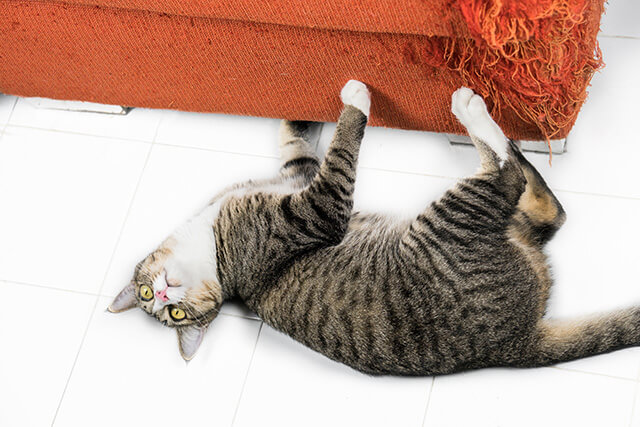
Supplements
Supplements we may recommend for support with:
- Joints
- Gastrointestinal
- Skin
- Urinary
- Cognitive
- Anxiety
-
Diet changes
There are many diet options for managing a variety of health issues in older pets, and we’ll help you find the right one.
Nutritional counseling -

Pain medication
Medication to relieve the aches that often come with age:
- Back pain
- Joint pain
- Muscle pain
-

Changes at home
- Avoiding stairs
- Raising food and water bowls
- Better flooring and traction
- Keeping food and water closer by
-

Dental care
- More brushing
- Tartar-reducing chews and treats
- More frequent cleanings
-

Follow-up visits
We check how the plan is working and adjust it for even better improvement, so care keeps pace as your pet ages.
Our goal
The most comfortable, happy aging we can provide.
We manage older pets with gentle care and handling, and help with health challenges as they arise so they don’t get worse.
-
30-minute appointments
Time to listen to your concerns and observations, then explain your options.
-
Gentle care and handling
A patient, gentle approach at every visit.
-
Ahead of problems
Early detection and management of chronic illness, before problems become worse and harder to manage.
What changes should I tell you about as my pet gets older?
Let us know about changes in movement or trouble jumping, drinking or urinating more, a change in appetite, haircoat changes, confusion or new day-and-night patterns, sleeping more or less, bad breath, more grumpiness, less social engagement, or poor grooming, especially in cats.
Why does my older pet need more frequent checkups?
A senior pet’s health can change quickly, so older pets need more wellness exams and labwork, and more frequent dental cleanings. Catching chronic illness early is also the best way to keep costs down over your pet’s lifetime. We’ll help you decide how often your pet should come in.
How long is a senior pet appointment?
We start with 30-minute appointments. Smaller and larger issues creep up as pets age, so that gives us time to listen to your concerns and observations and then explain your options.
How can you help my older pet with aches and stiffness?
We may recommend pain medication for back, joint or muscle pain, or supplements for joint support. Read more about arthritis in pets.
My older pet seems confused. Can anything help?
Please tell us. Confusion, staring into space and different patterns through the day and night are signs we want to hear about, since a senior pet’s health can change quickly. Supplements for cognitive support are one of the options we may recommend.
What can I change at home to help my older pet?
Helpful changes include avoiding stairs, raising food and water bowls, improving flooring and traction, and keeping food and water closer by. More brushing and tartar-reducing chews and treats help their teeth.
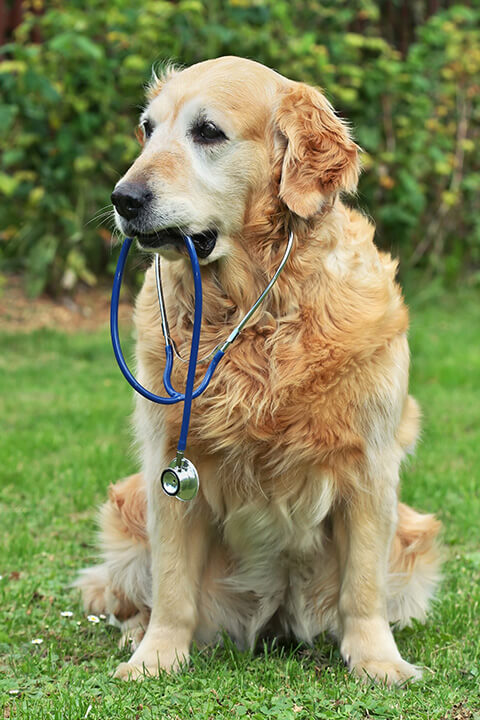


Appointments
We’d be glad to meet your pet.
Call us at 301-482-2535, or book an appointment online in our Pet Portal.
Location
Clarksburg Animal Hospital23321 Frederick Rd.
Clarksburg, MD 20871 301-482-2535
Serving Clarksburg and surrounding areas.
Working Hours
- Mon – Fri
- 8:00am – 6:00pm
- Sat & Sun
- Closed
New clients can use the Pet Portal too. Enter your information there and make your first appointment.