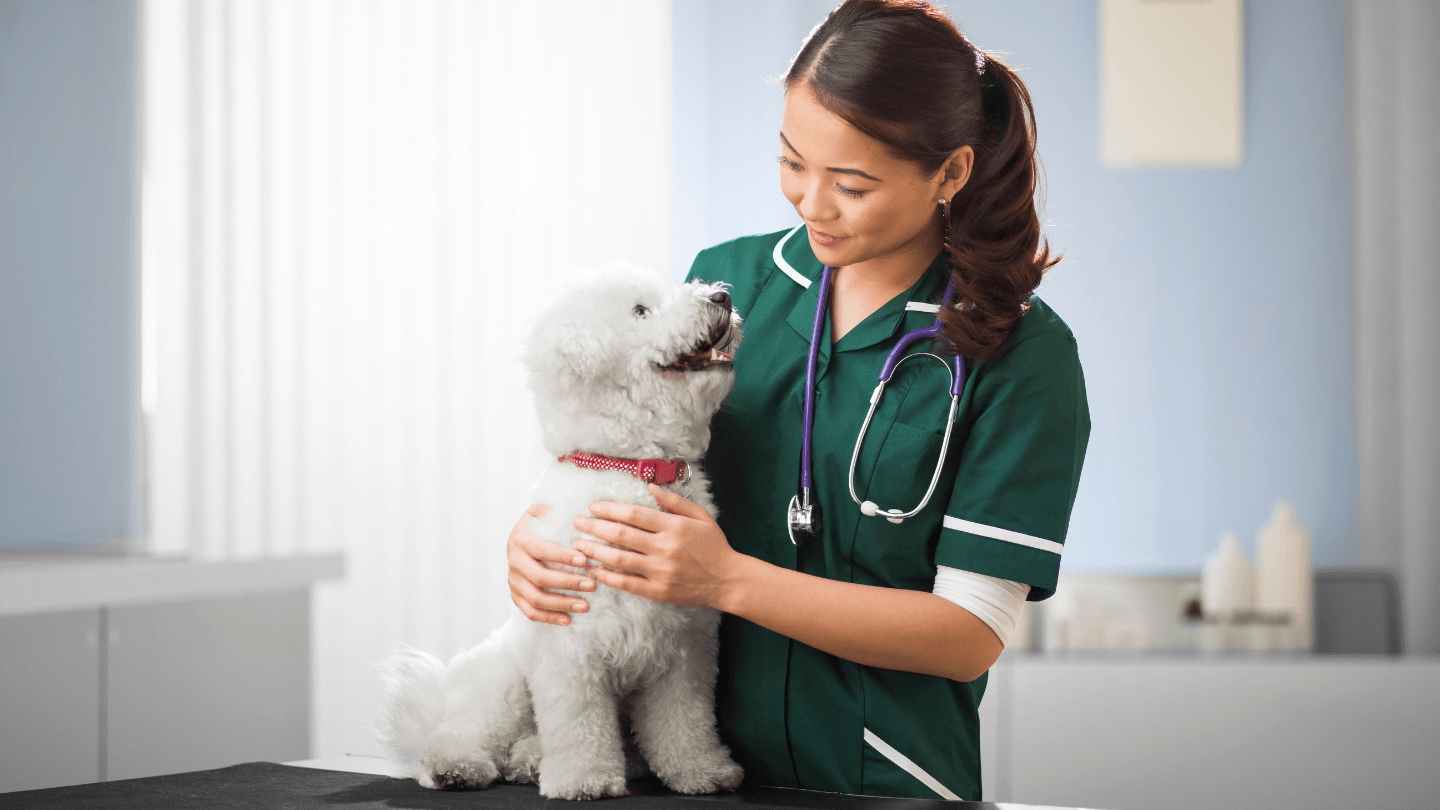
Owning a pet is not just a source of joy but also a responsibility that involves more than feeding and playtime. Regular veterinary check-ups and screenings are critical to pet care, often overlooked until a pet shows signs of illness. Understanding the importance of these routine visits is key to ensuring our furry companions’ long-term health and well-being.
What Does a Regular Check-Up Involve?
Often, pet owners perceive veterinary visits as necessary only when their pet is visibly sick or injured. However, regular check-ups are much more than that. They are a preventive measure to catch potential health problems before they escalate.
- Overall Health Assessment: Veterinarians examine pets from nose to tail. They check the skin, coat, eyes, ears, and mouth for abnormalities.
- Vital Signs Check: This includes assessing the heart rate, lung sounds, and body temperature.
- Weight and Diet Evaluation: Vets analyze the pet’s weight and dietary habits, offering advice on nutrition and exercise.
- Vaccination Updates: Keeping up with vaccinations is essential for preventing diseases.
The Power of Early Detection
Early detection of health issues can be the difference between a simple treatment and a complicated, costly one. Regular check-ups and screenings are pivotal in identifying problems before they become serious.
Early Signs of Disease: Conditions like diabetes, thyroid disorders, and heart disease can be managed more effectively if caught early.
Behavioral Changes: Subtle behavior changes often unnoticed by pet owners can be red flags for underlying health issues.
Age-Related Concerns: As pets age, they are prone to certain diseases. Early detection is crucial for senior pets.
Why Screenings are a Lifesaver
Screenings are a vital part of veterinary check-ups. They provide a deeper insight into your pet’s health, often uncovering issues that aren’t apparent during a physical examination.
- Blood Tests: Reveal information about the functioning of organs like the liver and kidneys.
- X-Rays and Ultrasounds: Useful for diagnosing conditions affecting the bones, organs, and other internal structures.
- Dental Checks: Poor dental health can lead to other serious health issues.
Tips for a Successful Vet Visit
A little preparation can go a long way in ensuring that your pet’s check-up is smooth and productive.
- Know Your Pet: Keep track of any changes in behavior or appetite.
- Prepare Questions: Write down any concerns or questions for the vet.
- Keep a Health Diary: Maintain a record of your pet’s health, including vaccination dates and past illnesses or surgeries.
Integrating Vet Visits Into Your Pet Care Routine
Regular vet visits should be as routine as feeding and playtime. They are an investment in your pet’s health and happiness.
- Schedule Regular Appointments: Depending on your pet’s age and health, schedule appointments annually or biannually.
- Follow Vet Recommendations: Adhere to your vet’s diet, exercise, and medication advice.
- Stay Informed: Educate yourself about common pet health issues and preventive care.
Regular veterinary check-ups and screenings are fundamental to responsible pet ownership. These visits help in the early detection and management of health issues and allow you to learn more about taking care of your pet. Remember, preventive care is the best way to ensure your pet leads a long, healthy, and happy life.
The Role of Clarksburg Animal Hospital
At Clarksburg Animal Hospital, we’re committed to providing top-notch veterinary care. Our experienced veterinarians use the latest technology for screenings and diagnoses, ensuring that your pet receives the best possible care. We believe in a partnership approach, where we work together with you to keep your furry family member healthy and happy. If it’s been a while since your pet’s last check-up, consider booking an appointment today and enjoy the peace of mind that comes with knowing you’re doing the best for your furry friend.
Clarksburg Animal Hospital.